


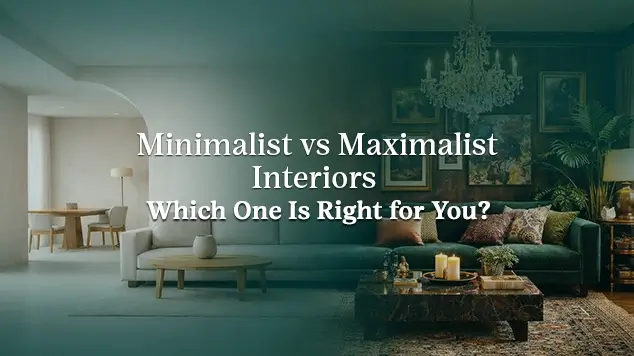

Interior design in India has evolved rapidly over the last decade. With urban homes becoming increasingly compact and lifestyle aspirations growing, homeowners are being drawn towards two contrasting design philosophies: Minimalist and Maximalist interiors. While one celebrates simplicity and restraint, the other embraces abundance and bold expression.
Choosing between minimalist and maximalist interiors is not about trends alone; it is about understanding your lifestyle, space, personality, and cultural preferences. This article explores both styles in detail, with a strong focus on the Indian context, to help you make an informed decision.
Understanding Minimalist Interiors
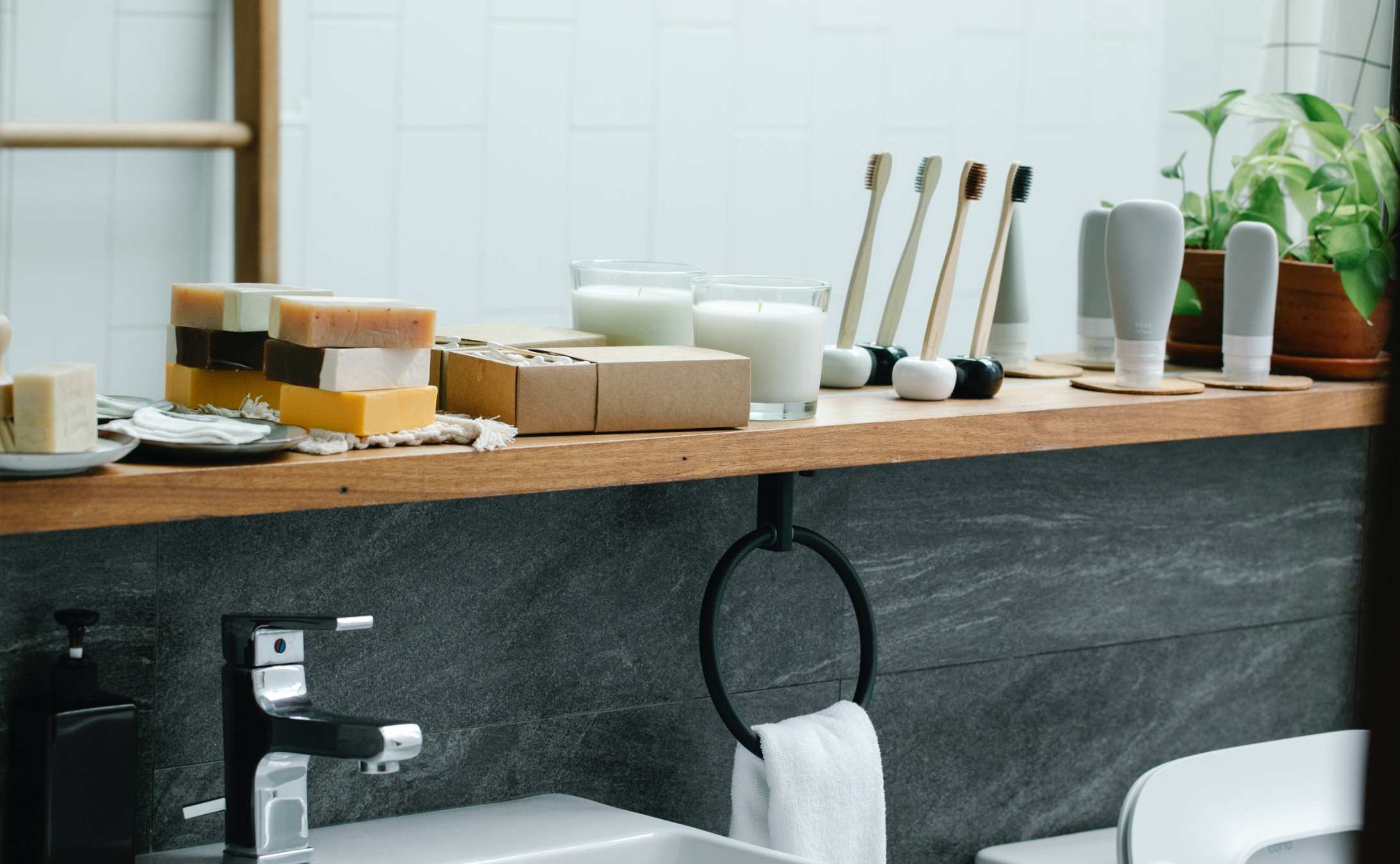
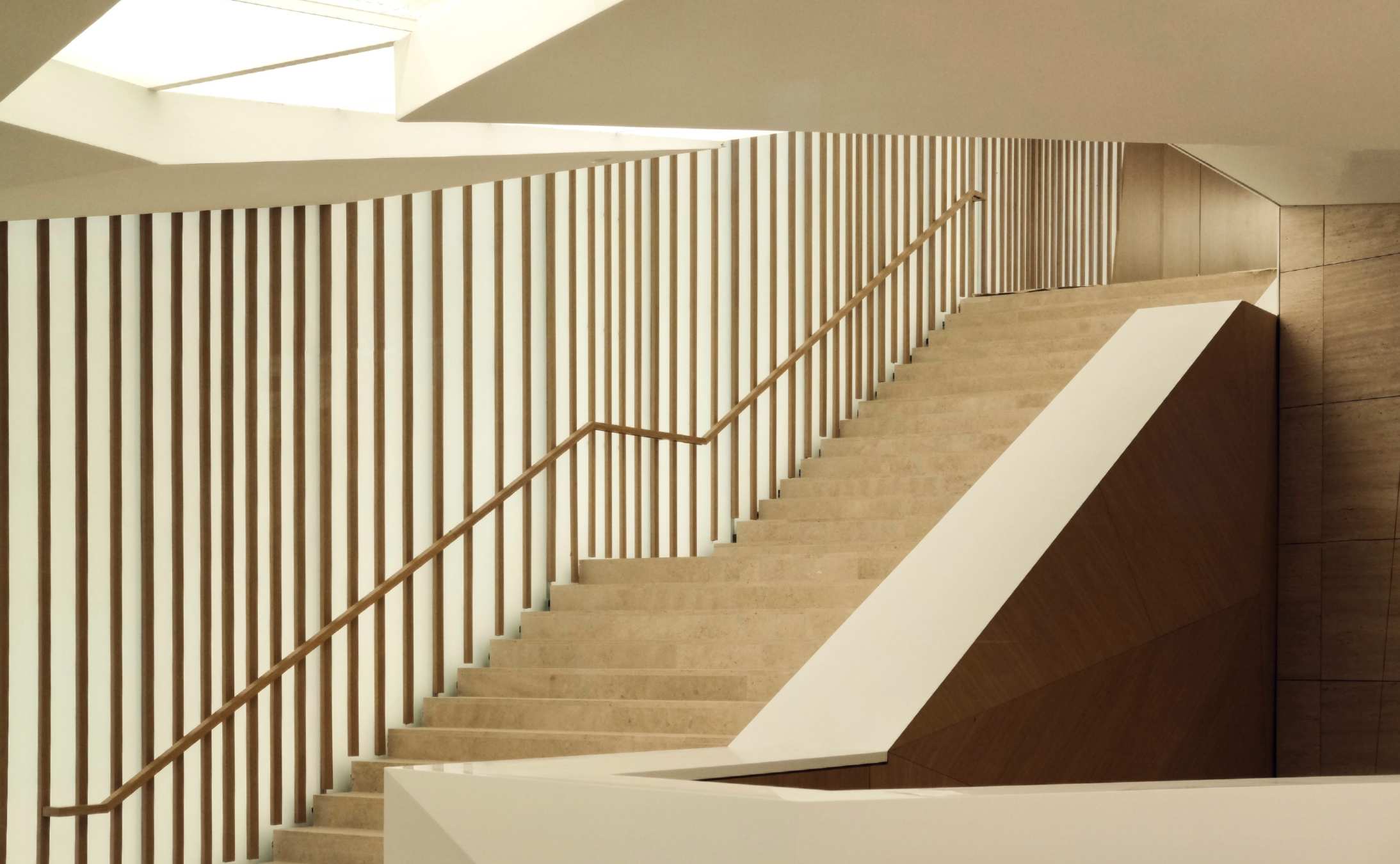
Minimalist interior design follows the principle of “less is more.” It prioritises functionality, clean lines, uncluttered spaces, and a calm visual language.
Key Characteristics of Minimalist Interiors
- Neutral colour palettes such as whites, beiges, greys, and soft earthy tones
- Simple furniture with clean and straight forms
- Limited décor and accessories
- Emphasis on natural light and open spaces
- Smart storage solutions to avoid clutter
Minimalist Interiors in Indian Homes
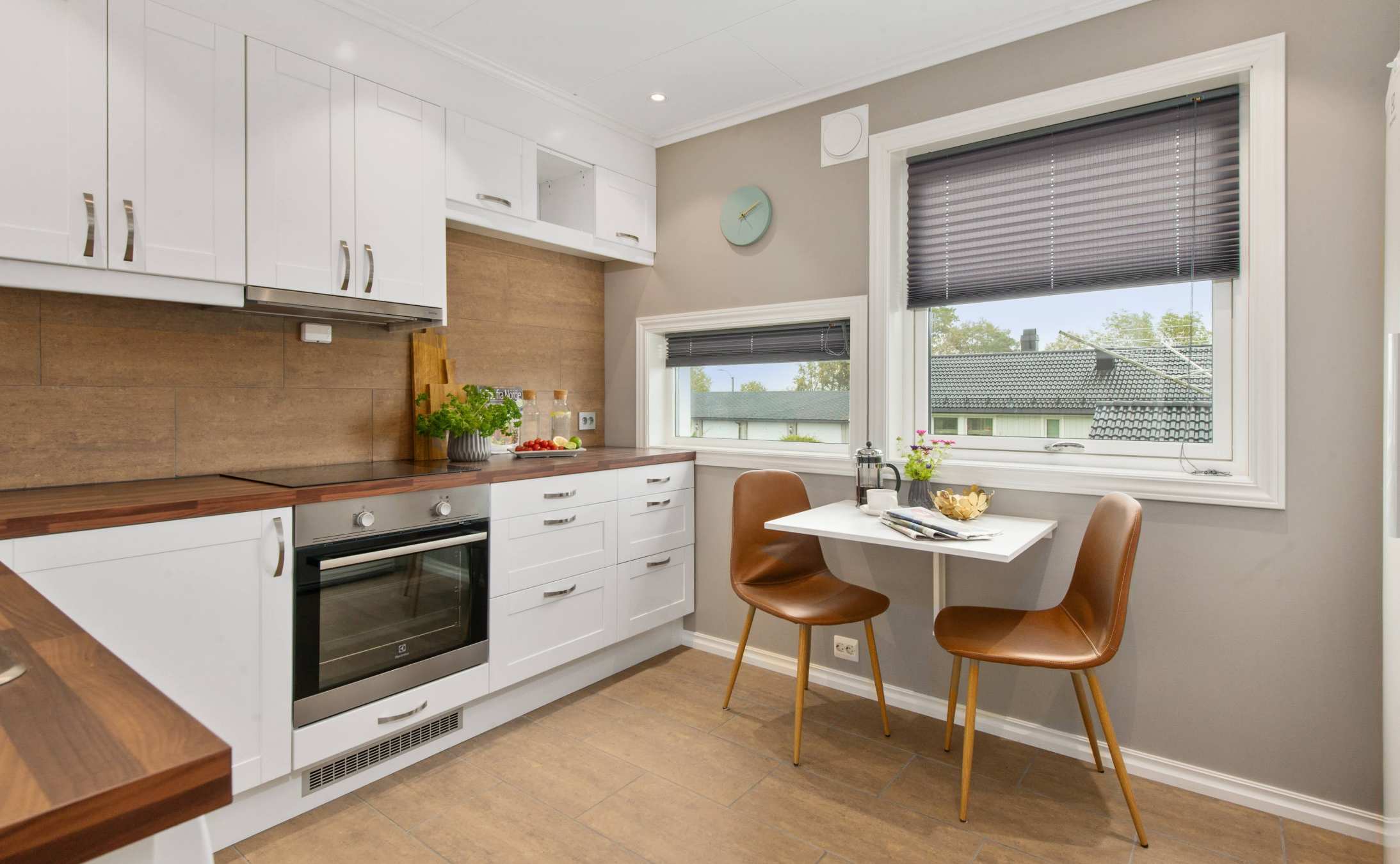
In India, minimalist interiors are increasingly popular in urban homes, studio apartments, and premium high-rise residences. Cities like Mumbai, Bengaluru, Pune, and Gurugram often demand efficient space planning, making minimalism a practical choice.
Indian minimalism often blends:
- Warm textures like wood and stone
- Subtle Indian elements such as brass accents or handcrafted fabrics
- Functional furniture suitable for compact living
Advantages of Minimalist Interiors
- Makes small spaces feel larger and more organised
- Easy to maintain and clean
- Timeless and elegant appeal
- Cost-effective in the long run due to fewer décor elements
Limitations of Minimalist Interiors
- May feel too plain or impersonal for some homeowners
- Limited scope for showcasing collections or art
- Requires disciplined organisation to maintain the look
Understanding Maximalist Interiors
Maximalist interior design is all about “more is more.” It celebrates colours, patterns, textures, and personal expression. This style thrives on visual richness and layered storytelling.
Key Characteristics of Maximalist Interiors
- Bold colour combinations and rich palettes
- Layered patterns, textures, and materials
- Statement furniture and dramatic lighting
- Curated collections of art, artefacts, and décor
- Eclectic mix of styles, eras, and influences
Maximalist Interiors in Indian Homes
Maximalism resonates strongly with Indian culture, where colour, craftsmanship, and ornamentation are deeply rooted. This style is commonly seen across several Indian cities, particularly where heritage, spacious homes, and strong cultural influences shape residential design. Prominent examples include Jaipur, Udaipur, Jodhpur, Ahmedabad, Delhi, Kolkata, Chennai, Hyderabad, Bengaluru, and Kochi, where larger residences and culturally rich neighbourhoods allow maximalist interiors to flourish.
These homes are typically found in:
- Independent houses and bungalows
- Heritage homes and villas
- Large apartments with generous layouts
Indian maximalist interiors often showcase:
- Traditional elements like carved wooden furniture, jaali panels, and ethnic textiles
- Regional crafts such as block prints, brassware, and handwoven rugs
- Vibrant colours inspired by festivals and local art forms
Advantages of Maximalist Interiors
- Highly personalised and expressive
- Reflects Indian cultural richness beautifully
- Ideal for displaying art, heirlooms, and collections
- Creates warm, inviting, and vibrant spaces
Limitations of Maximalist Interiors
- Can feel overwhelming if not well-balanced
- Requires thoughtful curation to avoid visual clutter
- Higher maintenance and cleaning effort
- May need larger spaces to work effectively
Minimalist vs Maximalist: Design Comparison Explained
When comparing minimalist and maximalist interiors, the differences become evident in how each style approaches colour, space, and expression.
Minimalist interiors rely on neutral and muted colour palettes, creating a calm, refined, and visually uncluttered environment. The overall impact is subtle and soothing, making these spaces easy to maintain and ideal for compact apartments and urban Indian homes, where efficient use of space is essential.
Maximalist interiors, on the other hand, embrace bold, vibrant colours and layered visual elements. The design language is dramatic and expressive, often becoming the focal point of the home. While this approach requires more effort in terms of maintenance and careful curation, it works exceptionally well in larger residences, where space allows decorative elements to stand out without feeling overwhelming.
In essence, minimalist and maximalist interiors differ not just in appearance, but in design philosophy. Minimalism focuses on clarity, efficiency, and purposeful design decisions, creating spaces that feel calm and well-structured. Maximalism, in contrast, encourages layered expression, visual depth, and personal storytelling, allowing interiors to reflect individuality and cultural influences more boldly.
How to Choose the Right Style for Your Home
- Consider Your Space: Compact apartments benefit from minimalist interiors, while larger homes allow maximalist designs to breathe and shine.
- Understand Your Lifestyle: If you prefer simplicity and low maintenance, minimalism works best. If you enjoy collecting art, travel souvenirs, or traditional décor, maximalism may suit you better.
- Reflect Your Personality: Minimalist interiors align with calm, organised personalities. Maximalist interiors suit expressive, creative, and culturally rooted individuals.
- Think Long-Term: Minimalist interiors are timeless and easier to update. Maximalist interiors require careful planning to stay visually balanced over time.
- Consider Budget and Maintenance: Minimalist interiors generally involve controlled spending and lower ongoing maintenance, while maximalist interiors may require a higher budget for décor, furnishings, and regular upkeep. Understanding your budget and maintenance comfort level helps in making a practical long-term choice.
Can You Blend Minimalism and Maximalism?
Yes. Many modern Indian homes successfully adopt a balanced or curated approach, often referred to as warm minimalism or controlled maximalism. This involves:
Clean layouts with selective bold elements
- Neutral bases complemented by statement art or furniture
- Minimal clutter with rich textures and accents
- This hybrid approach offers the best of both worlds, functionality with personality.
Conclusion
Minimalist and maximalist interiors represent two powerful yet contrasting design philosophies. In the Indian market, both styles are highly relevant, shaped by space constraints, cultural heritage, and evolving lifestyles.
The right choice ultimately depends on your space, preferences, and way of living. Whether you lean towards the calm sophistication of minimalism or the vibrant richness of maximalism, a well-planned interior can enhance comfort, functionality, and aesthetic appeal.
A thoughtfully designed home is not about following trends; it is about creating a space that truly reflects who you are.
SAVE THE DATE:
If you would like to explore the latest interior design trends, materials, finishes, and innovations shaping modern Indian homes, IIAS – International Interior & Architecture Show is the ideal platform.
IIAS – Internation Interior and Architecture Show, Ahmedabad
Dates: 03–04–05 April, 2026
Venue: Gujarat University Exhibition & Convention Centre