


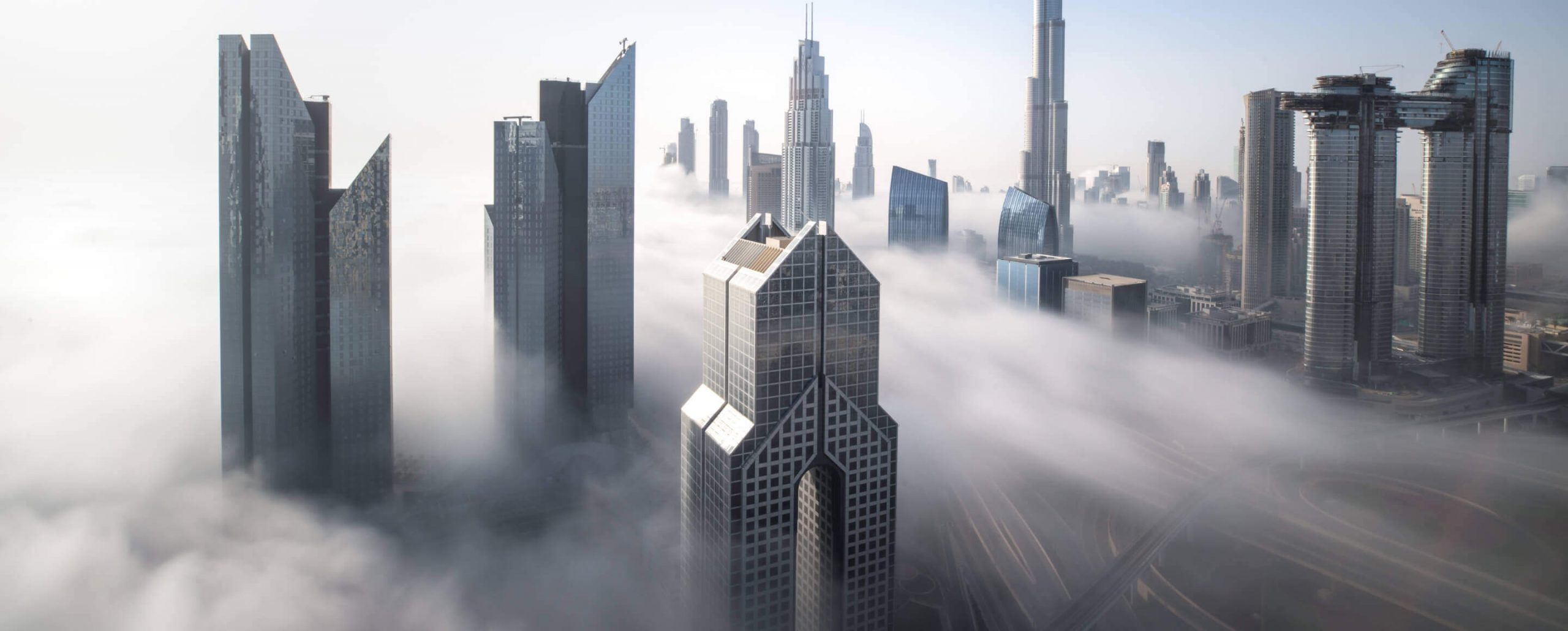


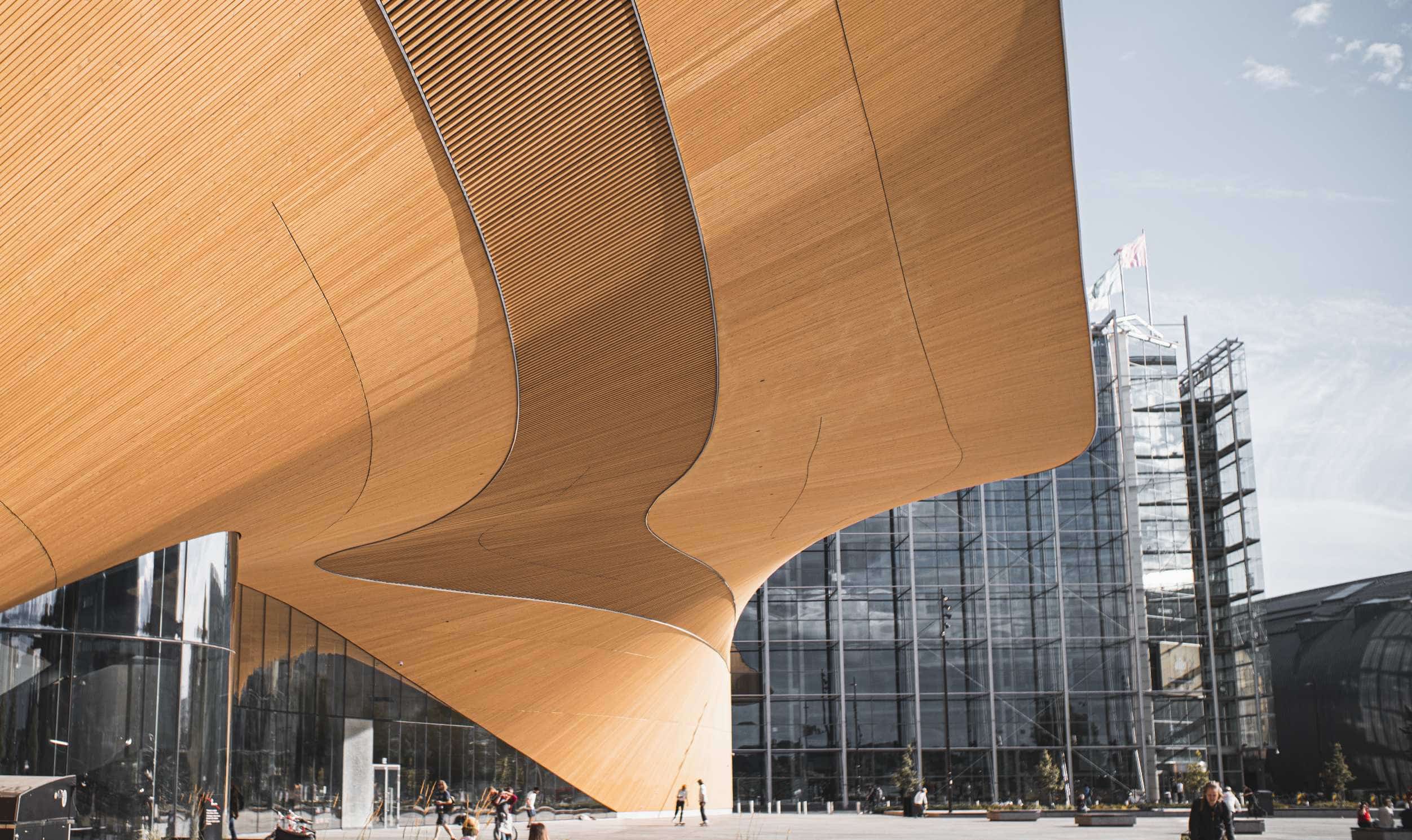



Role of Architecture in Modern Urban India is a dynamic blend of tradition, technology, and transformation. As cities expand rapidly to accommodate growing populations, architecture plays a pivotal role in shaping not just skylines, but lifestyles, economies, and cultural identities. From smart cities and sustainable housing to commercial hubs and public spaces, architecture is at the heart of India’s urban evolution.
This article explores how architecture influences modern urban India, focusing on urban planning, sustainability, social impact, and future-ready design.
Architecture as a Driving Force in Urban Development
Architecture is more than the art of building; it is a strategic tool for urban development. In India, cities like Mumbai, Delhi, Bengaluru, Ahmedabad, and Surat showcase how thoughtful architectural planning can optimize land use, improve connectivity, and enhance quality of life.
Well-designed buildings and infrastructure:
- Support economic growth through commercial and industrial development
- Improve urban mobility via integrated transit-oriented designs
- Encourage efficient land utilization in high-density cities
Urban architecture directly influences how cities function, grow, and sustain themselves.
Balancing Tradition with Modern Design
One of the most defining aspects of Indian architecture is its ability to merge heritage with contemporary needs. Modern urban India does not discard its past; instead, it reinterprets it.
Architectural elements such as courtyards, jaalis, verandas, and climate-responsive layouts are being reimagined in modern homes, offices, and public buildings. This fusion helps preserve cultural identity while meeting present-day requirements of comfort, technology, and aesthetics.
This balance ensures that urban India remains rooted in its history while progressing toward the future.
Sustainable Architecture and Smart Cities
Sustainability has become a cornerstone of modern urban architecture in India. With increasing environmental challenges, architects are focusing on eco-friendly designs that reduce carbon footprints and conserve resources.
Key sustainable architectural practices include:
- Energy-efficient building materials
- Natural lighting and ventilation
- Rainwater harvesting systems
- Green roofs and vertical gardens
- Solar-integrated structures
Government initiatives like the Smart Cities Mission have further accelerated the adoption of intelligent urban planning, where architecture supports digital infrastructure, efficient utilities, and sustainable living.
The Social Impact of Urban Architecture
Architecture shapes human behavior and social interaction. In modern Indian cities, well-designed public spaces such as parks, plazas, cultural centers, and pedestrian-friendly streets promote community engagement and inclusivity.
Affordable housing projects, mixed-use developments, and inclusive design approaches address critical urban challenges such as housing shortages and social inequality. Architecture, when planned responsibly, becomes a powerful tool for social upliftment.
Commercial Architecture and Economic Growth
India’s urban economy is closely tied to its architectural growth. IT parks, business districts, retail complexes, and industrial zones are designed to boost productivity and global competitiveness.
Modern commercial architecture focuses on:
- Flexible workspaces
- Employee well-being and ergonomics
- Smart building technologies
- Sustainable operational efficiency
These developments position Indian cities as global business destinations.
Infrastructure and Transit-Oriented Design
Transportation infrastructure is a key component of urban architecture. Metro stations, airports, highways, and transit hubs are being designed as integrated urban spaces rather than isolated structures. Transit-oriented development (TOD) encourages compact, walkable communities centered around public transport, reducing congestion and pollution while improving urban mobility.
The Future of Architecture in Urban India
The future of urban architecture in India lies in innovation, resilience, and inclusivity. Emerging trends include:
- Smart and AI-integrated buildings
- Climate-resilient architecture
- Adaptive reuse of existing structures
- Human-centric and wellness-focused design
As cities continue to evolve, architects will play a crucial role in shaping urban environments that are sustainable, culturally rich, and future-ready.
Conclusion
Architecture is a defining force in shaping modern urban India. It influences how cities grow, how people live, and how communities connect. By blending tradition with innovation, sustainability with scalability, and design with social responsibility, architecture is building the foundation for India’s urban future.
As India continues its journey toward rapid urbanization, thoughtful and visionary architecture will remain central to creating cities that are not just bigger, but better.
If you are exploring insights on urban design, architecture trends, or interior planning, staying informed about the evolving Role of Architecture in Modern Urban India is essential for building smarter and more sustainable cities. Platforms and exhibitions like IIAS – International Interior and Architecture Show, happening in Ahmedabad in April 2026, play a crucial role in bringing together ideas, innovations, and industry leaders shaping the future of urban India.